

Dry Martini
- Dec 4, 2021
- 3 min read
Updated: Dec 20, 2021
FORMULATION
To make 1 cocktail
1/4 ounce dry vermouth
2 1/2 ounces gin
3 to 4 ice cubes
1 strip lemon peel
A 4-ounce cocktail glass, chilled
PROCEDURE
~Prepare yourselves for some history~
The "original" Martini, introduced as the Martinez around 1860, started out as 1 part gin to 1 part dry vermouth. By 1890, when the name changed to Martini, the ratio was 2 parts gin to 1 part vermouth. The change in ratio has continued through the years, generally becoming 1 part drier each 30 years. The standard Martini today is about 4 1/2 parts gin to 1 part dry vermouth. Some, however, prefer a ratio closer to 10 to 1 (please bear in mind this does not mean the martini has 10 ounces of gin, this is a ratio folks).
No doubt every Martini drinker has a firm commitment to his or her own method (SO TRUE). Some use only a dash of vermouth, others merely wave the vermouth cork over the glass. Because of the change in personal preferences in the past decade, dry vermouth and gin are drier than ever before. For this reason, they are believed by many experts to produce too raw a drink when simply stirred. Shaking quickly with ice not only blends the Martini and results in a smoother taste by also chills the drink quickly and thoroughly, obviation the need for ice cubes that would dilute it.
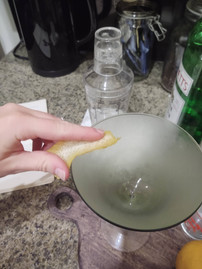
Combine the dry vermouth, gin and ice cubes in a mixing glass. Place a shaker on top of the glass and, grasping them firmly together with both hands, shake quickly 5 or 6 times. Rub the cut edge of the lemon peel around the inside rim of a chilled cocktail glass. Remove the shaker, place a strainer over the mixing glass and pour the Martini into the cocktail glass. Add the lemon peel.
Variations include a pitted olive in place of the lemon peel; a Gibson, made similarly, but with only a dash of vermouth and the addition of a pearl onion; and a vodka Martini.
RESULTS

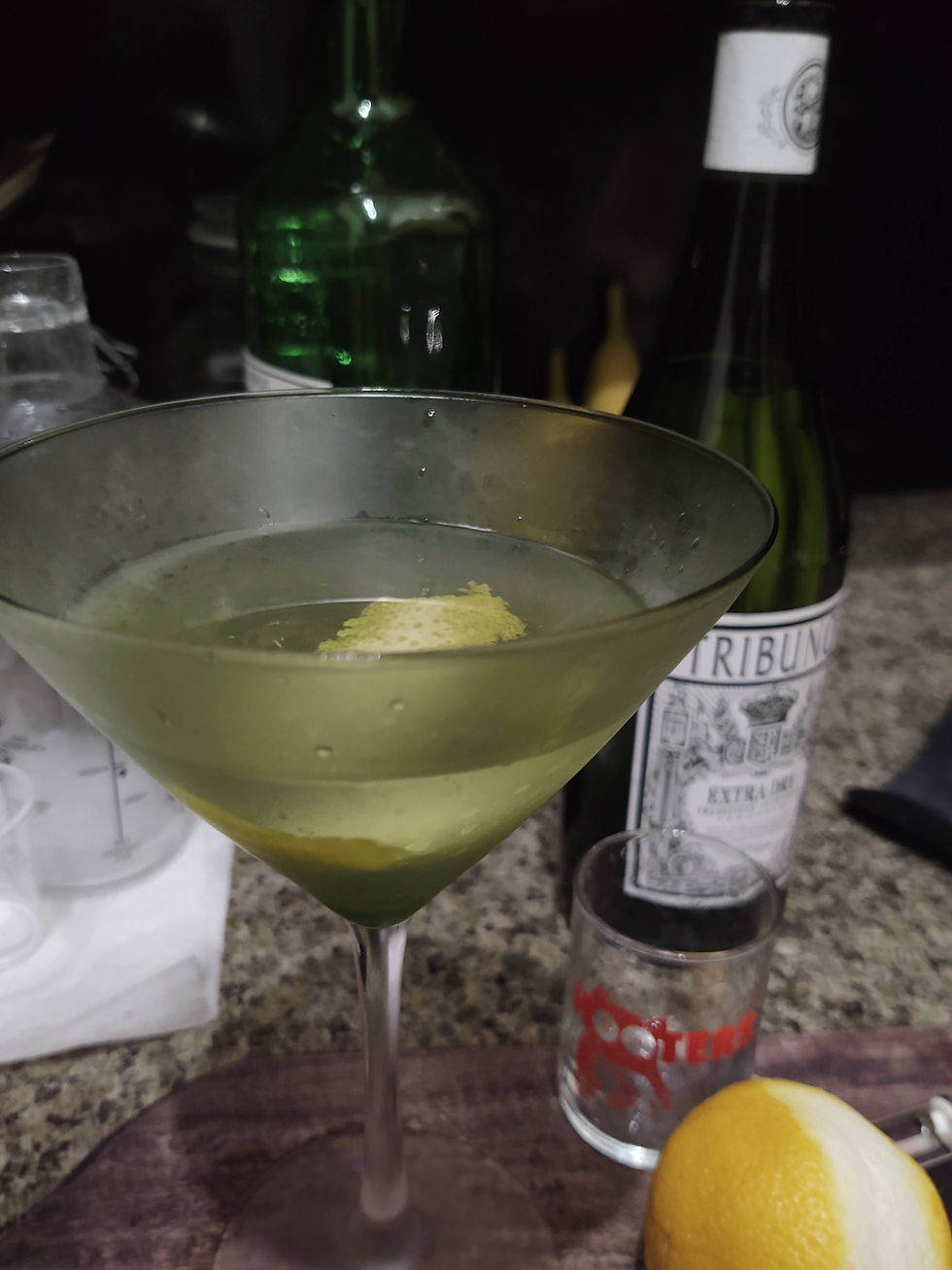
Near perfection. I never add vermouth to my martinis but I actually really like dry vermouth, in fact it might be something I revisit more often. I'd say if it's a mixing/good gin, add dry vermouth, if it's a great gin (more expensive) don't add the vermouth. The only changes I'd make are to add in a couple olives at the end as well as some fresh ice cubes. It's important that the cubes are fresh. It's all about entropy and enthalpy. The ice cubes you just used in the shake have already passed the threshold to start melting and they are not on the downward path to melting into the liquid form. The fresh ice cubes have to heat up to a certain point before even starting the melting process, thus a fresh ice cube allows for more time before drink dilution, yet keeps the drink chilled. To me this fresh cube is important, it allows for more sipping time and I like a chilled drink. I'll even sacrifice some dilution to have my drink stay cold longer.
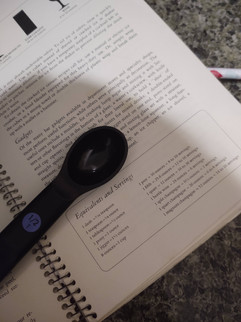
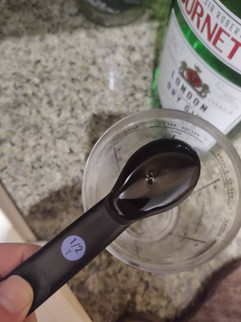
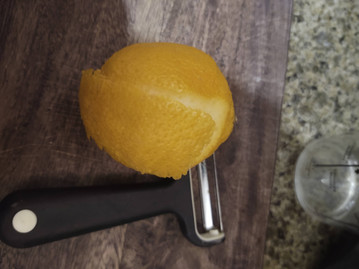
Here we have the main ingredients, I don't know why but the lemon looks like an orange in this picture, I promise it's yellow. Next we see that 1/2 tablespoon is equivalent to 1/4 ounce. So we use###. Add the gin and ice, shake (finally), squeeze the rind over the glass and along the rim to release the oils, pour the drink, and enjoy. I added a picture after I "fixed" the drink (added olives and ice). BONUS PIC, I also added my very own scuba tank that was just given to me. So grateful for the gift and excited to use it!






















DISCUSSION
Grand finale on the martini section of this book. I will have to add an off the book version that shows my perfect martini though I outlined it pretty heavily in this post, still it deserves its own. Cheers!


Comments